
After Punch: finding common ground on justice
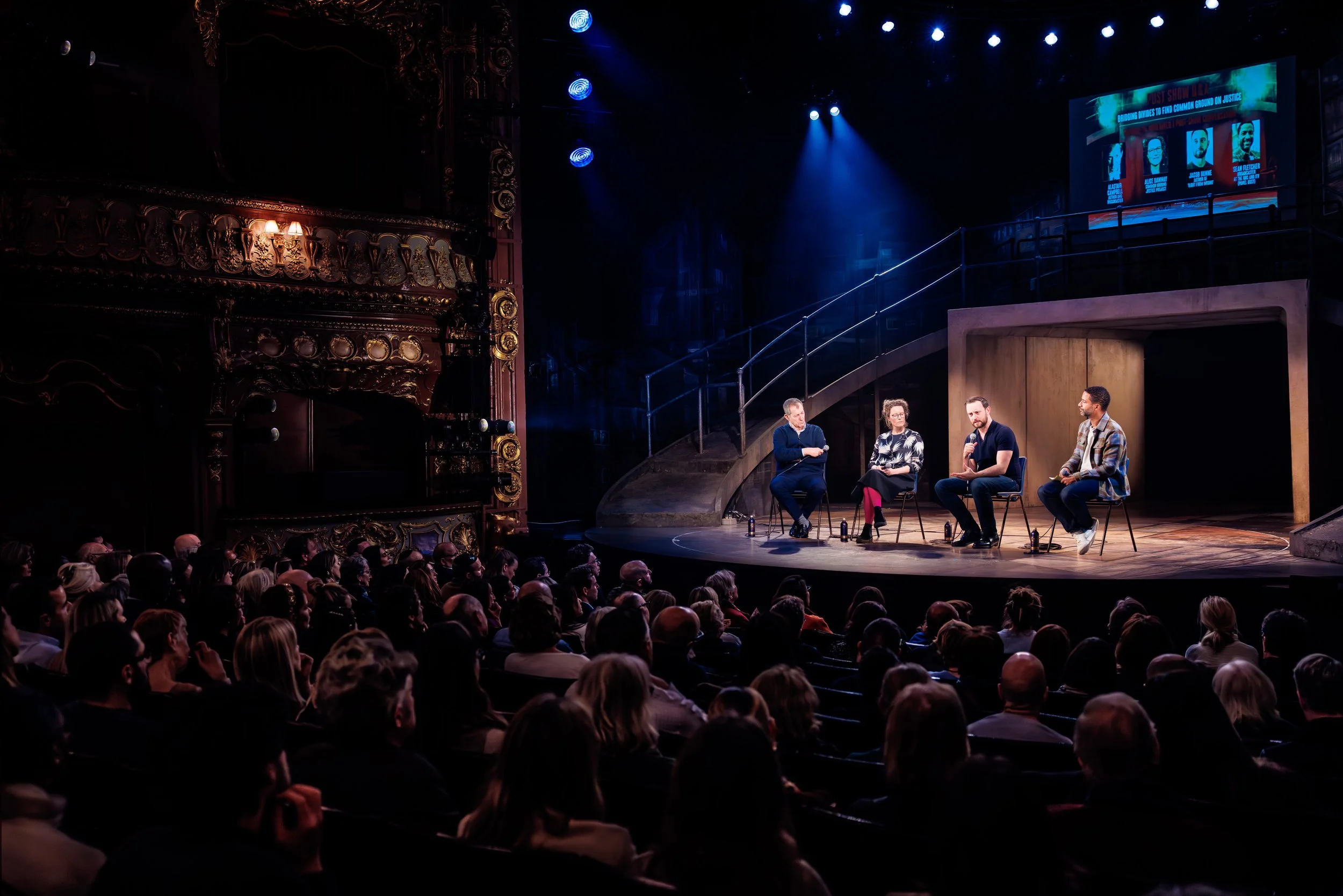
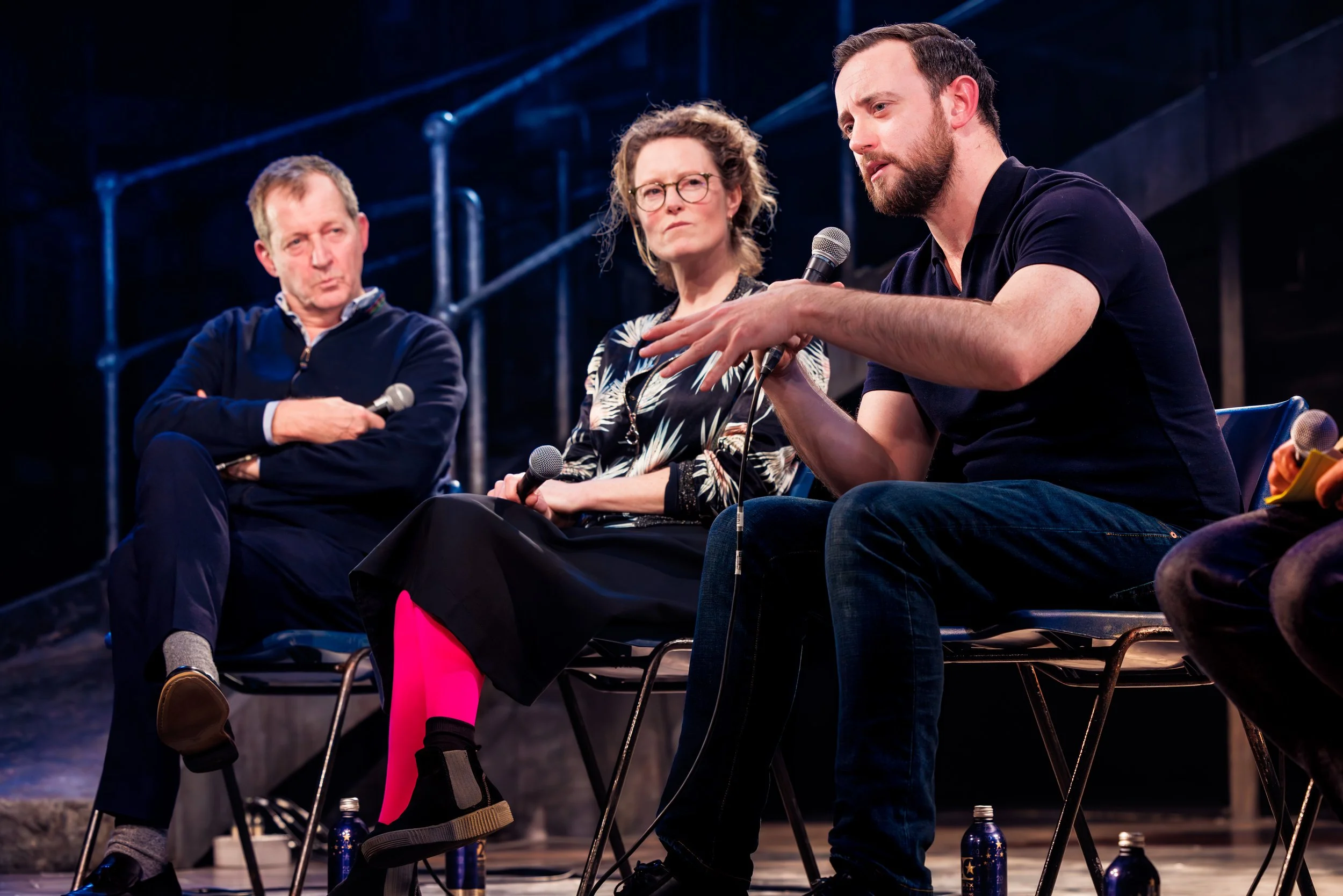
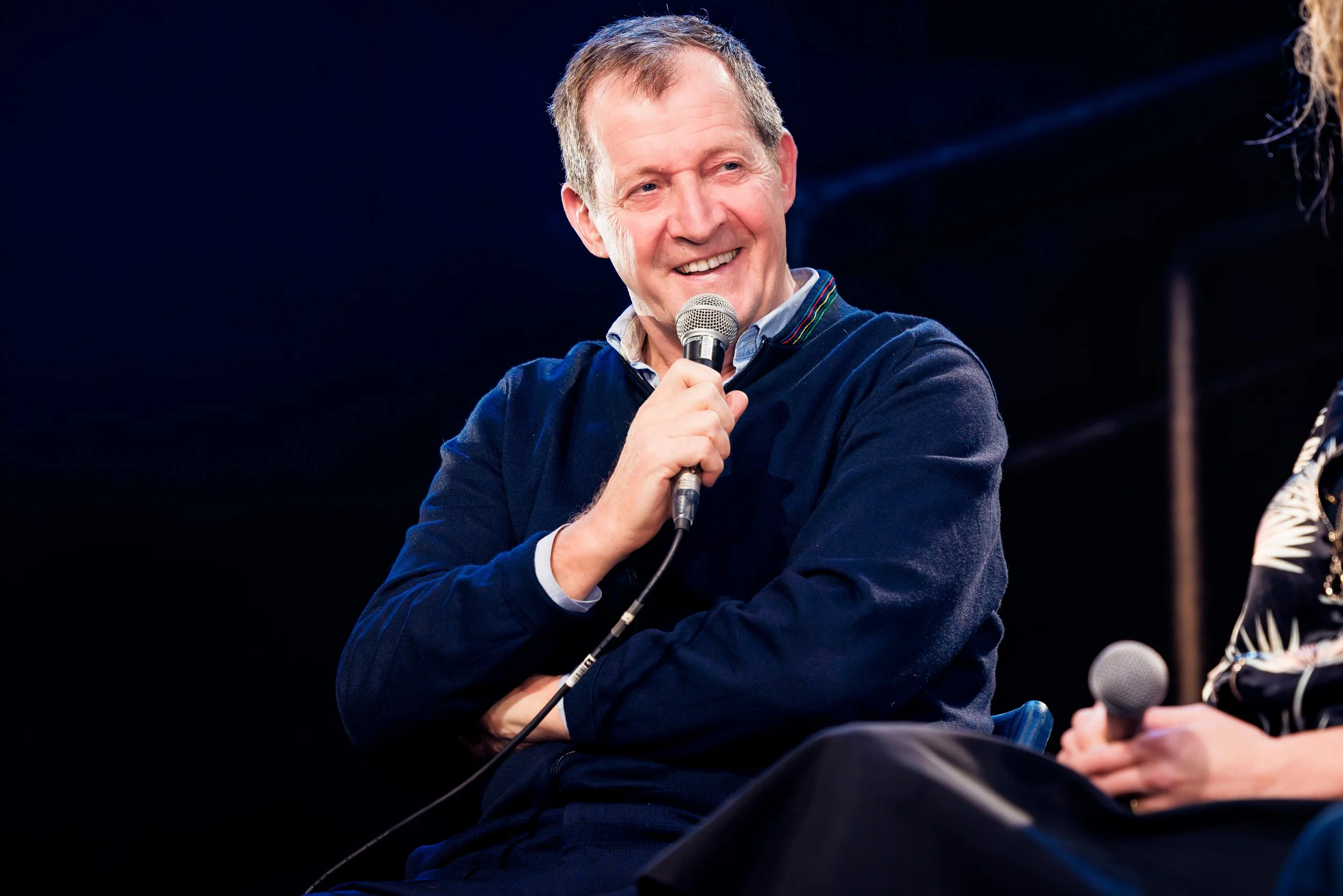
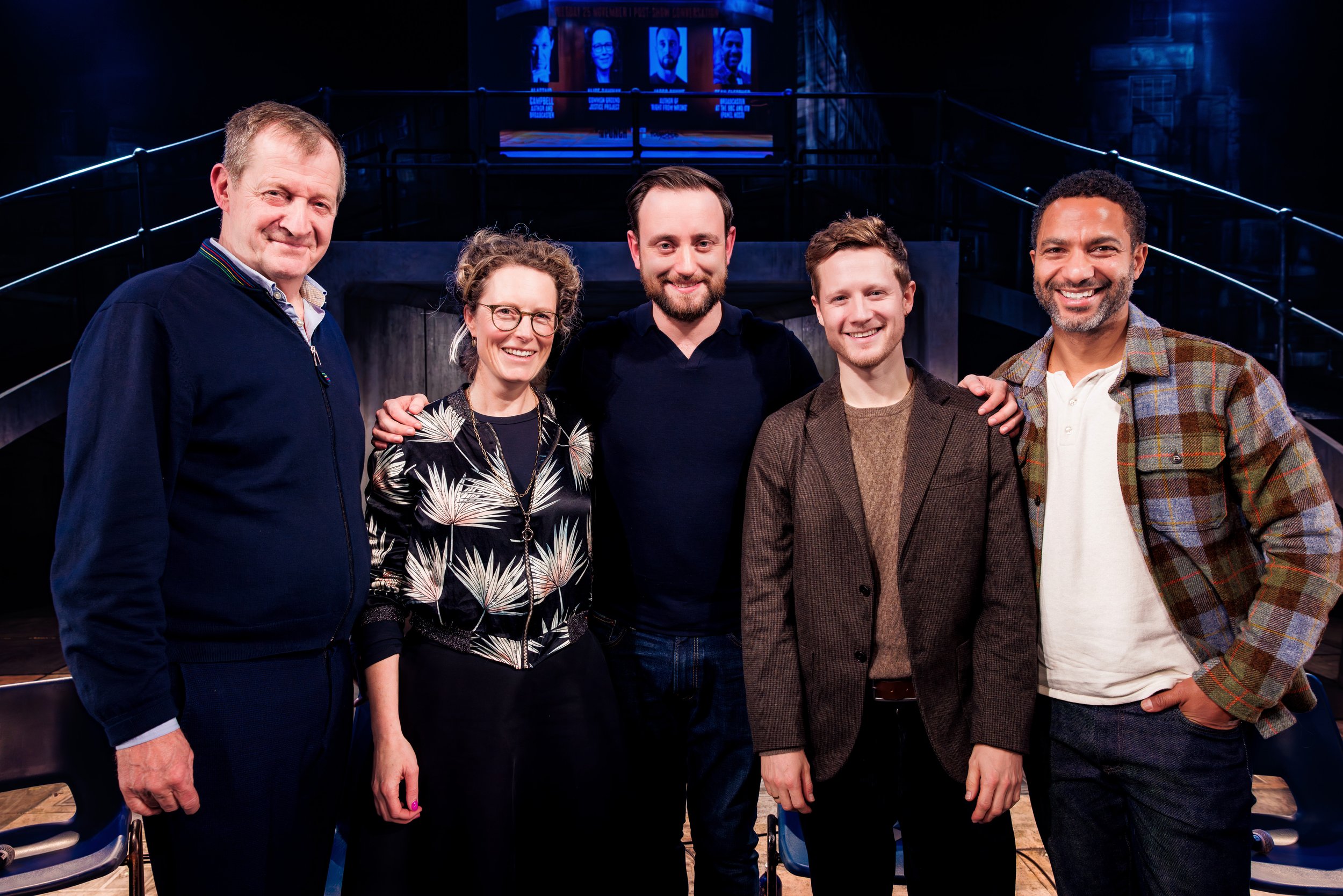
Following a performance of Punch at the Apollo Theatre on Shaftesbury Avenue on 25 November 2025, we hosted a post-show discussion exploring how Britain can move beyond polarised debates on crime and build a justice system that better serves victims, communities and society.
Punch is the critically acclaimed play based on the life of Jacob Dunne, co-founder of the Common Ground Justice Project, whose story of accountability and restorative justice inspired the production.
Chaired by broadcaster Sean Fletcher, the panel brought together Alastair Campbell, writer and co-host of The Rest Is Politics podcast — which is premised on the idea of disagreeing agreeably — alongside Alice Dawnay and Jacob Dunne, co-founders of the Common Ground Justice Project.
The discussion explored the themes raised in the play — accountability, redemption and restorative justice — and how those ideas connect to the national conversation about crime and punishment.
Reflecting on the challenges facing the justice system, Alastair Campbell argued that reform requires moving beyond the familiar political arguments:
“We know prisons aren’t working, we know probation isn’t working — and yet we still struggle to change them. When you move beyond the headlines and the ‘tough versus soft’ debate, the public are far more nuanced than politicians often assume. If the system isn’t working, the answer is simple: you change it, top to bottom.”
For Jacob Dunne, whose story inspired Punch, the play reflects the wider national debate on justice:
“In the first act of Punch, everyone is stuck – angry and frustrated. That’s where our national debate on justice feels right now.” Post Show Talk transcript
Alice Dawnay highlighted why the Common Ground Justice Project is taking a different approach — listening directly to the public rather than relying on assumptions about public opinion:
“Justice charities have often been too squeamish about asking the public what they really think. If you ask people a three-second question you’ll get a three-second answer — but give people a little more time and you start to hear something much more nuanced about what they want from justice.”
The conversation explored how deeper engagement with the public — beyond headlines and political caricatures — can help unlock new momentum for change.
Events like this are part of the national conversation the Common Ground Justice Project is helping lead about how Britain can bridge divides and find common ground on justice.